
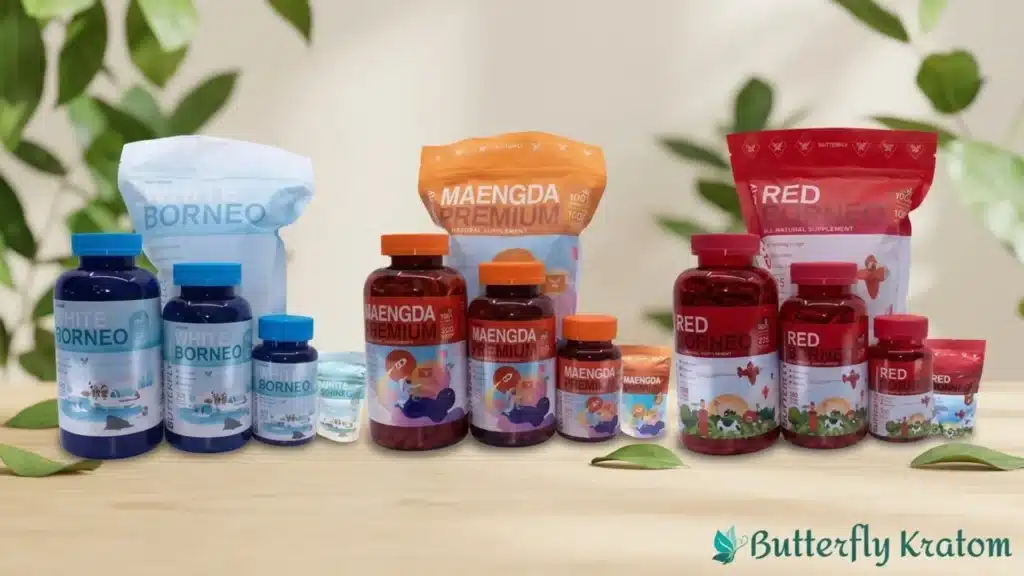
Choosing kratom capsules requires more attention than simply comparing prices or selecting an attractive package. Buyers should examine the ingredients, botanical contents, laboratory reports, packaging details, and manufacturer information before making a purchasing decision. These details help readers understand what a product contains and whether its labeling provides enough information for an informed assessment.
Kratom Capsules are a prepared form of kratom leaf material enclosed in capsule shells. Although different brands may offer similar-looking packages, their ingredients, manufacturing practices, and testing procedures can vary. Understanding these differences is an important starting point when comparing available options.
Check the Source of the Kratom Leaf
The origin of the botanical material is one of the first details worth investigating. Kratom comes from Mitragyna speciosa, a tropical tree native to Southeast Asia. Information about the leaf source can help buyers understand where the botanical material originates and how a supplier manages its sourcing practices.
When comparing suppliers, look for information about:
- The country or region where the leaf material originates.
- Whether the material comes from identifiable botanical sources.
- How suppliers maintain records of incoming raw materials.
- Whether the manufacturer can provide information about its sourcing process.
A seller that provides clear sourcing information makes it easier to evaluate the background of the material rather than relying entirely on promotional language.
Examine the Complete Ingredient List
The ingredient panel deserves careful attention because the contents of a capsule may include more than powdered kratom leaf. Capsule shells, processing ingredients, and other added substances should be identified clearly.
Check whether the package identifies:
- The botanical ingredient used inside the capsule.
- The capsule shell material.
- Any additional ingredients or processing aids.
- Relevant allergen information.
- The quantity of material per capsule.
Avoid assuming that two products have identical contents simply because they use similar strain names or packaging colors. The ingredient panel provides more useful information than general marketing claims.
Look for Independent Laboratory Testing
Laboratory testing is an important consideration when assessing the quality controls associated with a kratom product. A meaningful laboratory report should identify the tested material and provide measurable results rather than relying on broad statements such as premium quality or carefully selected ingredients.
Depending on the testing program, relevant laboratory checks may include:
- Heavy metals, including lead and nickel.
- Microbial contamination, including Salmonella and E. coli.
- Yeast and mold levels.
- Botanical identity.
- Alkaloid composition and measured concentrations.
Ask whether the manufacturer provides a Certificate of Analysis (COA) from an independent laboratory. Check that the report identifies the relevant batch or lot number and corresponds to the product being evaluated. The U.S. Food and Drug Administration has reported concerns involving heavy metals in tested kratom products, making transparent laboratory information particularly important. A laboratory report should be reviewed carefully rather than treated as an automatic guarantee of safety.
Understand Capsule Count and Material Weight
Package size can be confusing when different manufacturers use different capsule counts and fill weights. A container holding 60 capsules does not necessarily contain the same total amount of botanical material as another container with the same count.
Compare these details:
- Total number of capsules in the package.
- Material weight per capsule.
- Total net weight of the contents.
- Whether the stated quantity refers to capsule contents or the complete capsule.
- Whether serving information is clearly presented.
These measurements provide a more accurate basis for comparing package sizes and understanding what is included.
Identify the Capsule Shell Material
Capsule shells can be manufactured from different materials. Two commonly encountered options are gelatin and hydroxypropyl methylcellulose (HPMC).
Gelatin capsules: These shells are made using gelatin, a material derived from animal collagen. Buyers who avoid animal-derived ingredients should check the package carefully.
HPMC capsules: These shells are made from plant-derived cellulose-based material. They are commonly used in vegetarian capsule formulations. The shell material is worth checking because it affects ingredient preferences, dietary considerations, and product compatibility. Manufacturers should identify the shell material rather than leaving buyers to guess from the package appearance.
Review the Manufacturer’s Information
A clearly identified manufacturer or distributor provides an important point of accountability. Product packaging should provide enough information to establish which business is responsible for the item.
Look for:
- Manufacturer or distributor name.
- Business contact information.
- Production or batch identification.
- Packaging date or applicable date information.
- Customer support details.
- Relevant product warnings.
Be cautious of packages that provide no identifiable business information or make broad quality claims without supporting details.
Check Packaging and Storage Information
Packaging protects the contents from environmental exposure during transportation and storage. Poorly sealed containers or damaged packaging can raise questions about how the contents have been handled.
Before comparing products, examine whether the container has:
- A properly secured closure.
- An intact seal where applicable.
- Clear printed labeling.
- A readable batch or lot number.
- Storage instructions.
- No visible damage or signs of tampering.
Storage instructions should also be specific. Manufacturers should explain the recommended conditions for keeping their packaged botanical material, including relevant guidance about moisture, temperature, and direct sunlight.
Be Careful With Unsupported Marketing Claims
Product advertisements sometimes use phrases such as strongest, guaranteed, completely safe, or medically effective. These expressions should not replace measurable product information. Kratom has not been approved by the FDA as a treatment for any medical condition. The agency has also raised concerns about serious adverse effects, including liver toxicity, seizures, and dependence. A responsible purchasing assessment should distinguish between verifiable information and promotional statements. Look for ingredient records, laboratory findings, and clear labeling instead of relying on promises about particular outcomes.
Compare Suppliers Through Verifiable Details
Price is only one part of a purchasing decision. Two packages may have similar prices but differ considerably in their ingredient information, capsule materials, testing records, and packaging standards.
A useful comparison should consider:
- Ingredient transparency.
- Available laboratory documentation.
- Accurate package quantities.
- Identifiable manufacturing information.
- Clear labeling and warnings.
- Packaging condition.
- Applicable local and state requirements.
These details provide a more meaningful comparison than discounts or advertising language alone.
Why Product Transparency Matters
Transparent labeling allows buyers to examine the information behind a packaged botanical item. It also makes it easier to distinguish between products that provide measurable details and those that rely primarily on promotional descriptions. For businesses such as Butterfly Kratom, accurate ingredient information, clear package labeling, and accessible quality documentation are important considerations when presenting botanical products to customers. Consumers should also understand that laboratory testing does not eliminate every potential health risk. Reviewing available records and understanding applicable regulations remain important parts of evaluating any kratom-containing product.
Frequently Asked Questions
What is the first thing to check when buying kratom capsules?
Start with the ingredient list, manufacturer information, package quantity, and available independent laboratory reports. These details provide a clearer picture of what the package contains.
Why should laboratory reports be checked?
Laboratory reports can provide measurable information about botanical identity, alkaloid composition, heavy metals, and microbial contamination. The batch number should match the product being evaluated.
What is the difference between gelatin and HPMC capsules?
Gelatin shells are derived from animal collagen, while HPMC shells use cellulose-based material. The choice matters to people who have particular ingredient or dietary preferences.
Does a higher capsule count mean better value?
Not necessarily. Package comparisons should include the net weight of the contents and the amount of material per capsule, rather than relying on capsule count alone.
Why are batch numbers important?
Batch numbers help connect a particular package with its manufacturing records and corresponding laboratory documentation. They also make product identification easier if a quality concern arises.
Are all kratom capsules made with the same ingredients?
No. Ingredient combinations, capsule shell materials, and botanical contents can differ between manufacturers. Buyers should read the complete ingredient panel instead of assuming that all packages contain identical materials.
What should buyers avoid when comparing kratom products?
Avoid relying on unsupported medical claims, exaggerated potency promises, missing ingredient information, and laboratory reports that cannot be connected to the specific product batch.
How can buyers compare different capsule brands?
Compare their ingredient lists, laboratory documentation, package weights, capsule shell materials, manufacturer details, and labeling transparency. These measurable details offer a more useful comparison than promotional claims.
Final Thoughts
Choosing the right kratom capsules requires careful attention to ingredient transparency, laboratory testing, capsule materials, packaging, and manufacturer information. Buyers should look beyond attractive labels and promotional claims to understand what each product actually contains. Reviewing these details makes product comparisons more informed and helps consumers recognize the importance of accurate labeling, responsible quality practices, and regulatory awareness.