

Bali Kratom is one of the most searched kratom varieties in the United States, yet it is also one of the most misunderstood. Many adult readers come across the term while researching kratom in general and want simple, trustworthy information without hype or pressure.
This guide is written to explain what Bali Kratom is, where its name comes from, why it is so widely discussed, and how it fits into broader kratom conversations. It does not promote use, explain how to take kratom, or suggest benefits for individuals. Instead, it focuses on clarity, context, and responsible education.
Table of Contents
What Is Bali Kratom?
Bali Kratom refers to a widely recognized kratom strain name, not necessarily a single, fixed plant variety. The name “Bali” has become a traditional label used in the kratom world to describe leaf blends that are often associated with certain characteristics.
Kratom itself comes from the leaves of Mitragyna speciosa, a tropical tree native to Southeast Asia. Bali Kratom is typically discussed alongside other popular strain names such as Maeng Da and Borneo, but it holds a unique place due to its long-standing popularity.
Key points to understand:
- Bali Kratom is a strain name, not a botanical classification
- The name does not always mean the kratom was grown in Bali
- It is often associated with balance and versatility in discussions
- Its popularity is tied to consistency rather than novelty
Understanding this naming system helps adult readers better interpret kratom-related information online.
Why Is Bali Kratom So Popular?
Bali Kratom has remained relevant for years, even as new strain names appear regularly. Its popularity comes from familiarity and reputation rather than trends.
Several factors explain why Bali Kratom is frequently mentioned:
- It is often considered a “starting point” in general kratom education
- The name is widely recognized across kratom discussions
- It is associated with a broad range of effects in general conversations
- Many vendors use the name to describe balanced leaf profiles
Because of this, Bali Kratom is often one of the first terms adult readers encounter when researching kratom.
Understanding Kratom Strain Names Without the Confusion
One of the biggest sources of confusion for readers is kratom strain naming. Bali Kratom is a good example of how names can describe profiles, not strict plant genetics.
How strain names are commonly used
- To describe leaf color blends
- To indicate general characteristics
- To group similar processing methods
- To simplify consumer understanding
This is why informational content is important. Without context, strain names can appear more precise than they really are.
Bali Kratom and Leaf Colors: What People Are Usually Referring To
When people talk about Bali Kratom, they are often indirectly referring to leaf vein colors, which are a more meaningful classification system.
Common leaf color categories include:
- Red vein
- Green vein
- White vein
Bali Kratom is most frequently associated with red vein leaves in general discussions, though this is not always the case. The association exists because red vein kratom is often described as slower and more calming in educational content.
This does not mean all Bali Kratom is the same. It simply explains why certain expectations exist around the name.
How Bali Kratom Fits Into Informational Kratom Research
Many adults researching kratom are not looking to use it. Instead, they want to understand:
- Why is it discussed so often
- How it affects the body in general terms
- What risks or concerns are involved
- Why withdrawal and dependency topics exist
This is where educational resources become essential. Readers often move from general strain guides into deeper topics such as dependency awareness. Articles like Kratom Withdrawal Symptoms Explained: What They Are, Why They Happen, and What to Know help place strain discussions into a responsible, health-focused context.
Bali Kratom vs Other Commonly Mentioned Strains
Bali Kratom is often compared informally to other strain names, though these comparisons are usually anecdotal rather than scientific.
Common comparison points include:
- Perceived balance versus intensity
- Traditional reputation versus newer strains
- Familiarity versus novelty
- General consistency in discussions
Unlike trend-based strains, Bali Kratom is often described as stable and predictable in general kratom literature, which explains its long-standing presence.
Why Adults Search for Bali Kratom Information
Search intent around Bali Kratom is mostly informational, not transactional. Adult readers are usually trying to understand the topic, not make decisions.
Common search motivations include:
- Learning what the term means
- Understanding how kratom strains are categorized
- Exploring safety and dependency discussions
- Researching detection and health concerns
This is why guides like How Long Does Kratom Stay in Your System? Complete Detection & Clearance Guide is often read alongside strain-related articles.
Capsules, Powders, and Format Discussions
While this guide does not discuss usage, many informational articles mention formats such as powders or capsules because they affect how kratom is discussed, not how it is used.
Educational content like Kratom Capsules: Your Complete Guide to Benefits, Usage, and Top Products focuses on format awareness rather than encouragement. These resources help adults understand terminology they may encounter while researching.
Responsible Framing: Why Adult-Only Education Matters
Kratom is not appropriate for minors, and responsible content must clearly reflect that. This article is written for adults 21+ and avoids instructional or promotional language.
Responsible kratom education focuses on:
- Transparency
- Health awareness
- Context, not persuasion
- Balanced discussion of risks and concerns
This approach aligns with modern SEO standards and public health responsibility.
Myths and Misunderstandings About Bali Kratom
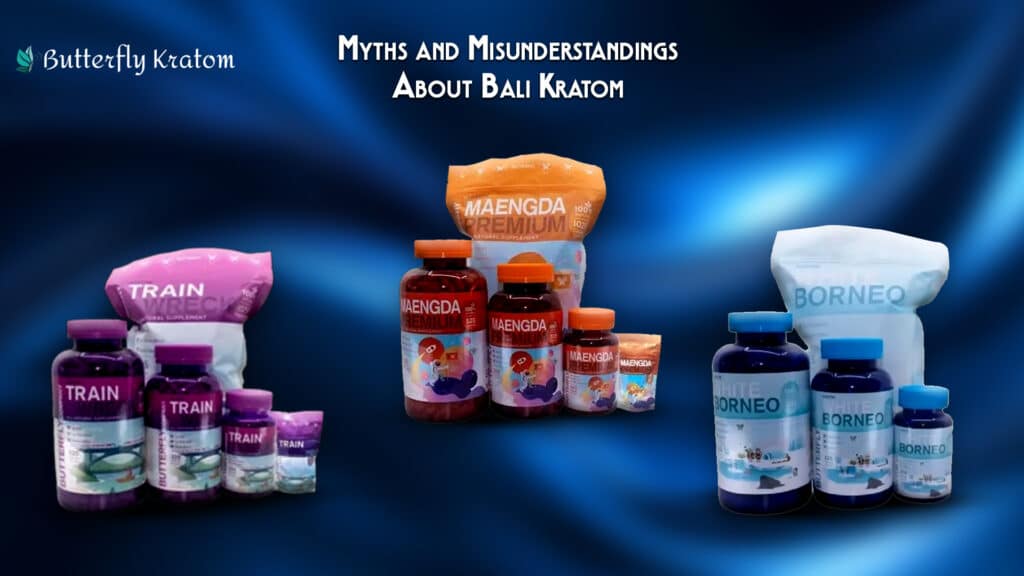
Because Bali Kratom is widely discussed, misinformation is common.
Common misconceptions include:
- That Bali is a single, unique plant
- That all Bali Kratom comes from Bali
- That strain names guarantee effects
- That kratom discussions equal recommendations
Clearing up these myths helps readers approach the topic more critically and safely.
Outbound Resource: Understanding Kratom From a Public Health Perspective
Trusted Health-Based Research on Kratom
Public health organizations and academic institutions continue to study kratom’s effects, risks, and regulatory concerns. Reviewing neutral research helps adults form informed opinions rather than relying on marketing-driven narratives.
Frequently Asked Questions About Bali Kratom
What exactly is Bali Kratom?
Bali Kratom is a commonly used strain name that refers to certain kratom leaf profiles rather than a specific plant variety.
Does Bali Kratom always come from Bali?
No. The name does not guarantee geographic origin and is often used as a traditional label.
Why is Bali Kratom so well-known?
Its reputation comes from long-term familiarity and consistent discussion in kratom education, not from novelty.
Is Bali Kratom different from other strains?
Differences are usually descriptive rather than scientific and depend on leaf color, processing, and labeling.
Is this guide encouraging kratom use?
No. This article is strictly informational and intended for adult readers seeking education, not instruction.
Final Thoughts on Bali Kratom
Bali Kratom is best understood as a label within a larger conversation, not a promise or prescription. Its popularity comes from familiarity, tradition, and widespread recognition rather than scientific precision.
For adult readers, the most important takeaway is context. Understanding how kratom is discussed, categorized, and researched is far more valuable than focusing on strain names alone.